
You have the Azure key vaults shown in the following table.
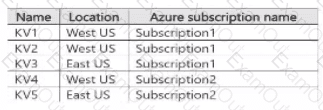
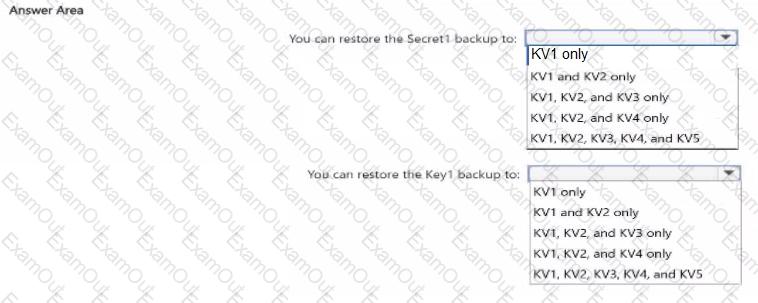
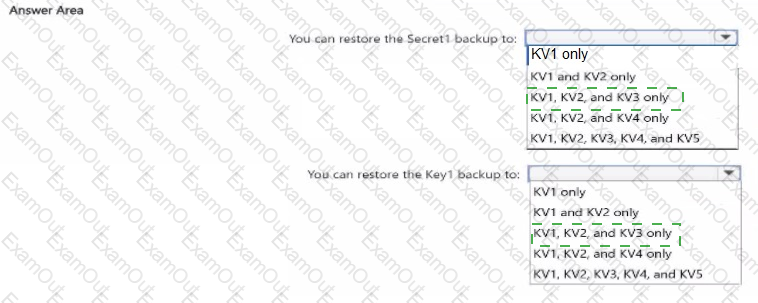
KV1 stores a secret named Secret1 and a key for a managed storage account named Key1.
You back up Secret1 and Key1.
To which key vaults can you restore each backup? To answer, select the appropriate options in the answer area.
NOTE: Each correct selection is worth one point.
You have an Azure SQL Database logical server named Server1 that contains multiple databases.
The databases contain legacy SQL authentication logins that must no longer be usable for sign-in but must NOT be removed from the databases.
You need to ensure that SQL authentication is denied for connections.
What should you do?
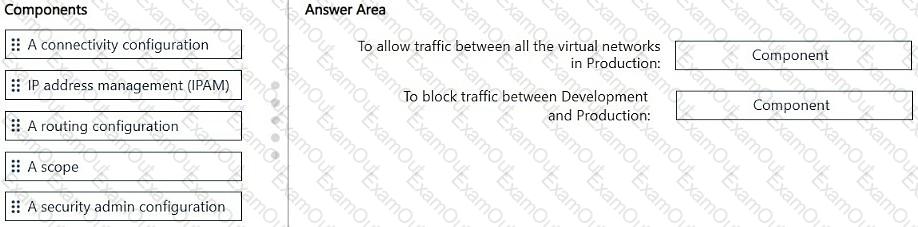
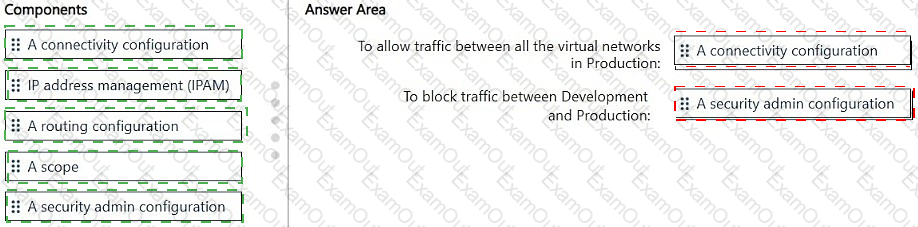
You use Azure Virtual Network Manager to manage multiple virtual networks organized into two network groups named Production and Development.
You need to configure Virtual Network Manager to meet the following requirements:
Allow traffic between all the virtual networks in Production.
Block traffic between Development and Production.
What should you use for each requirement? To answer, drag the components to the correct requirements. Each component may be used once, more than once, or not at all. You may need to drag the split bar between panes or scroll to view content.
NOTE: Each correct selection is worth one point.
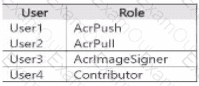
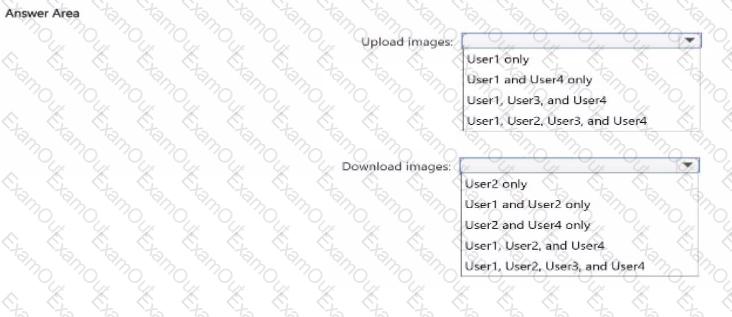
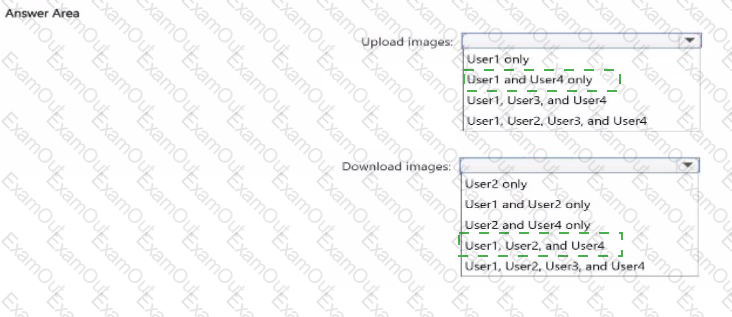
You have an Azure Container Registry named Registry1-
You add role assignments for Registry! as shown in the following table.
You have a Microsoft 365 tenant that uses Microsoft Security Copilot and Microsoft Defender XDR.
Access to Microsoft Defender XDR is managed by using Microsoft entra global roles.
The Phishing triage Agent is available in Microsoft Defender. The required agent prerequisites and approvals are complete
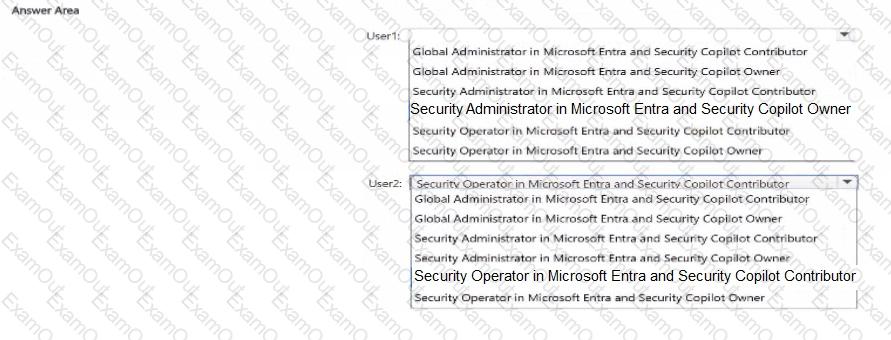
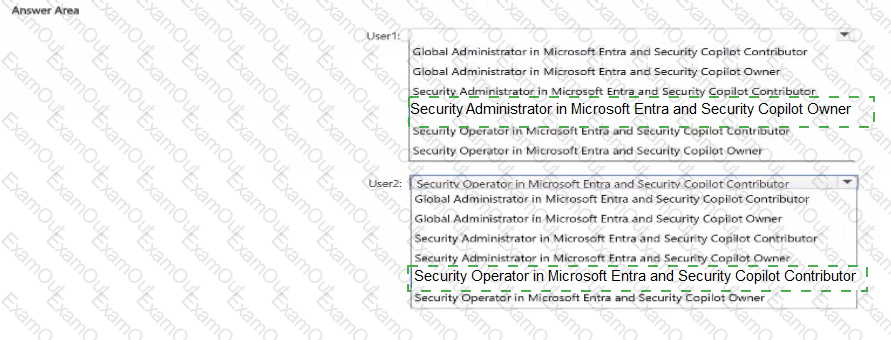
Two users will perform the following tasks:
• User1 will enable and manage the Phishing Triage Agent settings.
• User2 will use Security Copilot in Microsoft Defender XDR to manage phishing incidents identified by the agent.
You need to assign the least-privileged built in Microsoft Entra role and Security Copilot role combination to each us Which roles should you assign to each user? To answer, select the appropriate options in the answer area.
You have a Microsoft Foundry project that contains a model deployment named Deployment1.
Deployment1 contains an agent named Agent1 that uses an existing default guardrail configuration.
You discover that Agent1 generates tool calls that contain harmful language.
You need to ensure that Agent1 responses containing harmful content are prevented from running. The solution must prevent changes to the configuration of Deployment1.
What should you do?
You use Microsoft Security Copilot.
Security Copilot contributors currently create custom plugins for their own sessions and manage organization-wide custom plugins.
You need to prevent the contributors from managing the organization-wide custom plugins. The solution must NOT affect the contributors ' ability to create custom plugins for their own sessions.
What should you select in the Plugin settings?
You have an Azure subscription that contains the following servers:
•200 virtual machines that run either Windows Server or Ubuntu Server
•50 Azure Arc enabled servers
You use Azure Policy to manage compliance across all the servers.
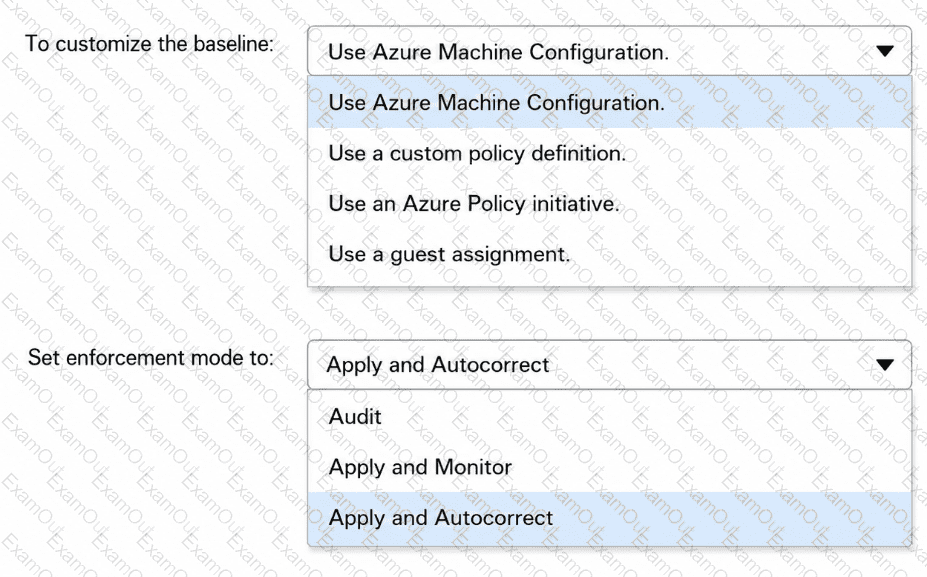
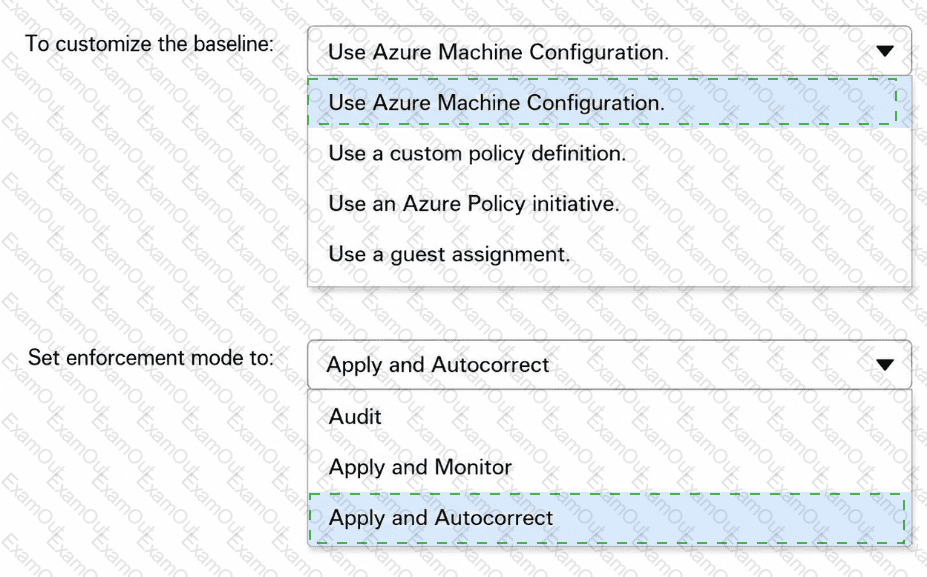
You need to enforce an organization-specific security baseline. The solution must meet the following requirements:
•Customize a built-in security baseline.
•Ensure that configuration changes to the servers are enforced automatically after the security baseline is deployed.
♦Minimize administrative effort.
What should you do? To answer, select the appropriate options in the answer area.
NOTE: Each correct selection is worth one point.

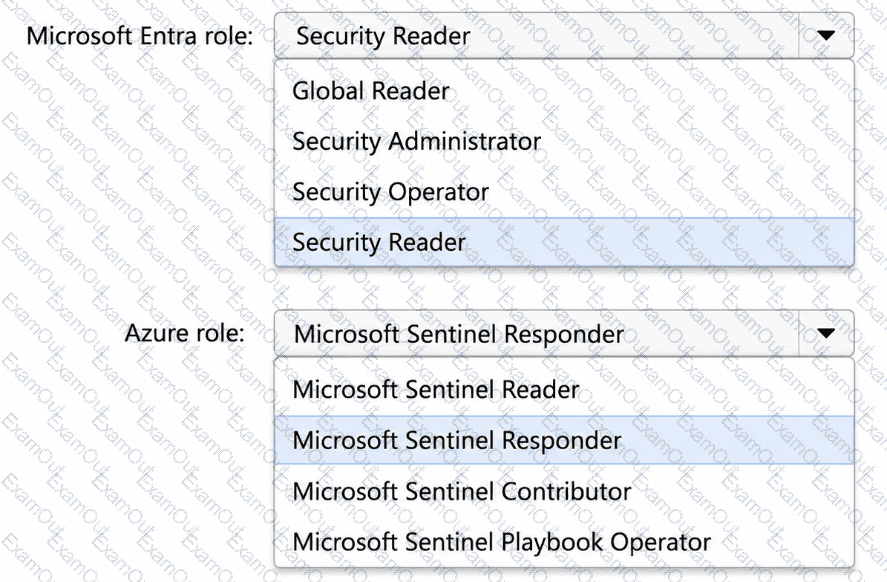
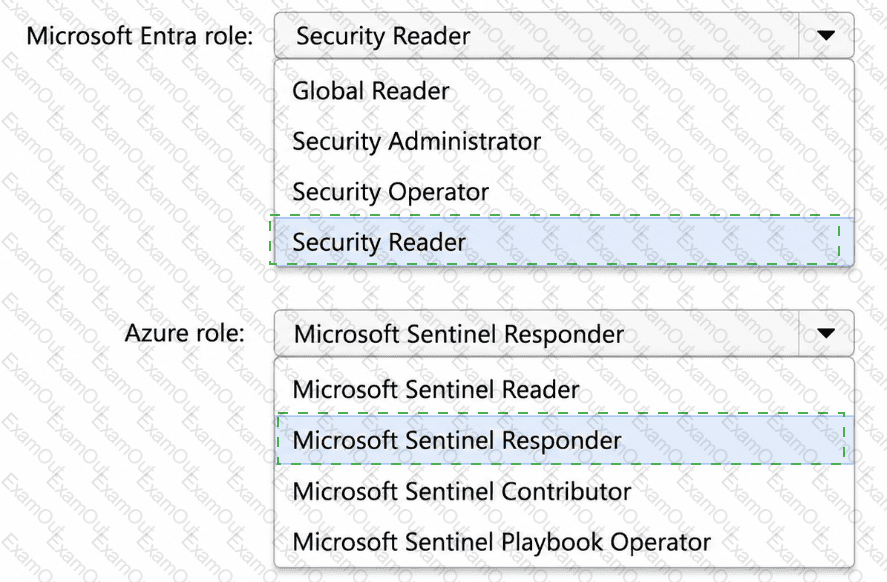
You have a Microsoft Sentinel workspace named Workspace1.
You hire a security consultant. You provide the consultant with a guest account named User1 in your Microsoft Entra tenant
You need to enable User1 to assign incidents in Workspace1.
Which roles should you assign to User1? To answer, select the appropriate options in the answer area.
NOTE: Each correct selection is worth one point.

You have an Azure Storage account named storage1 that hosts a blob container named container1.
You have an Azure Functions app named app1 that uses a managed identity.
You need to configure app1 to read, write, and delete blobs in container1. The solution must follow the principle of least privilege.
What should you do?
